Austin's District 9 Runoff Pits Two Candidates With Different Views on Fixing Housing Costs
Linda Guerrero and Zohaib "Zo" Qadri agree Austin is too expensive but disagree on whether the city has a housing shortage and how to respond ahead of the Dec. 13 runoff.
By Valentina Cruz ·
Two candidates for the Austin City Council's District 9 seat spent a recent Saturday morning knocking on doors in central Austin, each introducing themselves to residents. Linda Guerrero and Zohaib "Zo" Qadri are heading into a runoff because neither won more than 50% of the vote in November. Early voting is underway, and Election Day is Dec. 13.
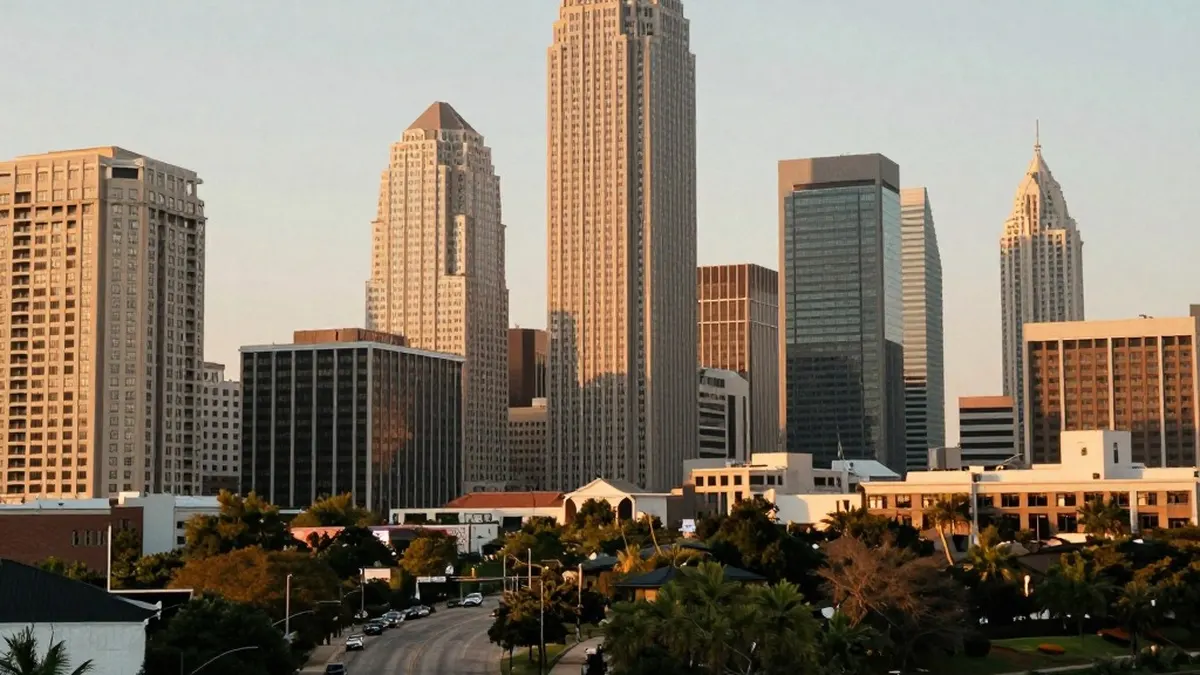
The district covers some of the city's oldest and most expensive neighborhoods, including Hyde Park, Travis Heights, downtown and the UT Austin campus. Residents there pay some of the highest rents in Austin, and homes sell for nearly $800,000. That places the district at the heart of the city's debate over housing affordability, but the two candidates diverge on both the cause and the cure.
They agree that housing has become too expensive and that conditions have worsened markedly in recent years. Austin homes sell for 35% more than three years ago, and average rent has climbed at a similar pace. Guerrero, 68, has owned her home north of UT for three decades and returned to work as a public school teacher after realizing she could not afford her property taxes in retirement. She also owns a second home in the neighborhood that she rents out. Qadri, 32, who until recently worked on campaigns for politicians including U.S. Sen. Elizabeth Warren, said the rent on his downtown apartment rose by nearly $600 this year.
Qadri told KUT he believes the city has a housing shortage, a view in line with experts who say unaffordability in Austin and elsewhere stems from too few homes for those who want them. Researchers at the NYU Furman Center wrote in 2018 that easing barriers to construction should moderate price increases. A more recent New York City study found that every 10% increase in new homes was tied to a 1% drop in nearby rents.
Guerrero is not convinced Austin lacks housing. She pointed to the experience of displaced residents on the Eastside, where new apartments have replaced longtime residents' homes and costs have risen. In the ZIP code covering Govalle and Holly, homes sell for 79% more than seven years ago. "You don't see anyone that's been displaced saying, 'Oh, this is great, there's 5,000 new apartments. I get to come back to Austin,'" she said. She did not respond when KUT asked for evidence that the city has no shortage.
The candidates split more clearly on the city's land development code, which was last overhauled in 1984 and makes it hard to build anything other than a single-family home. A recent attempt to rewrite it was blocked by a court after more than a dozen residents sued. Qadri said he would still push for a revision and wants to make duplexes, fourplexes and small apartment complexes easier to build across the district. Guerrero was more hesitant, asking whether changes would make housing affordable and noting that the city is already building many apartments.
The two also took opposite sides on Cady Lofts, a Hancock neighborhood project with about 100 apartments for people experiencing homelessness. Qadri signed a petition backing it. Guerrero, who lives near the site, wrote to city staff in May opposing the rezoning, saying the developer could build on two of the three lots without it and use the third as a buffer. She told KUT she did not oppose the project itself. Council approved the rezoning, and construction is expected to begin early next year.
There is common ground as well. Both candidates want to speed up the city's permitting process, which builders still describe as laborious, and both supported the $350 million affordable housing bond that voters approved in November. Guerrero said she would build income-restricted housing on city-owned land, citing the Mueller redevelopment, though the city told KUT it has no readily available estimate of suitable vacant land.
Qadri received about 3,000 more votes than Guerrero in November, but much of his support came from polling places on the UT campus. Election experts say runoffs draw few voters, who tend to be older. Both candidates say their door-knocking is also a reminder that the election is not over.
Originally published by News Media House · Source: KUT News